Created during a self-imposed Hawaiian exile following the Taylor Swift VMA incident, MBDTF is widely considered Kanye's magnum opus and one of the greatest albums ever made. Its maximalist production — dense with samples, orchestration, and A-list collaborators — and unflinching examination of ego, fame, and self-destruction created an album of almost symphonic scale. Pitchfork awarded it a perfect 10.0.
Deep Dive
Background
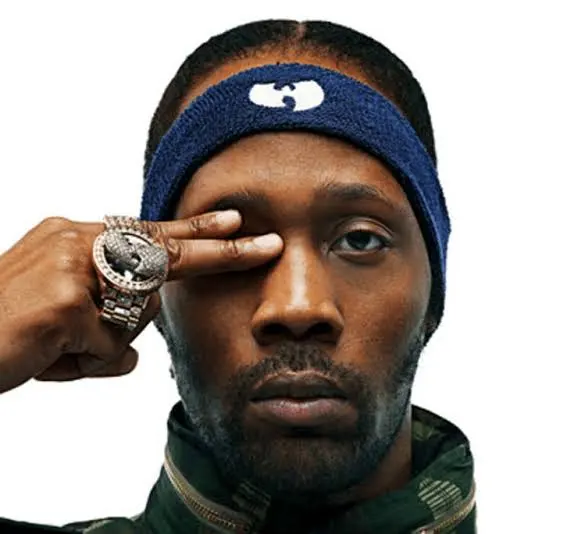
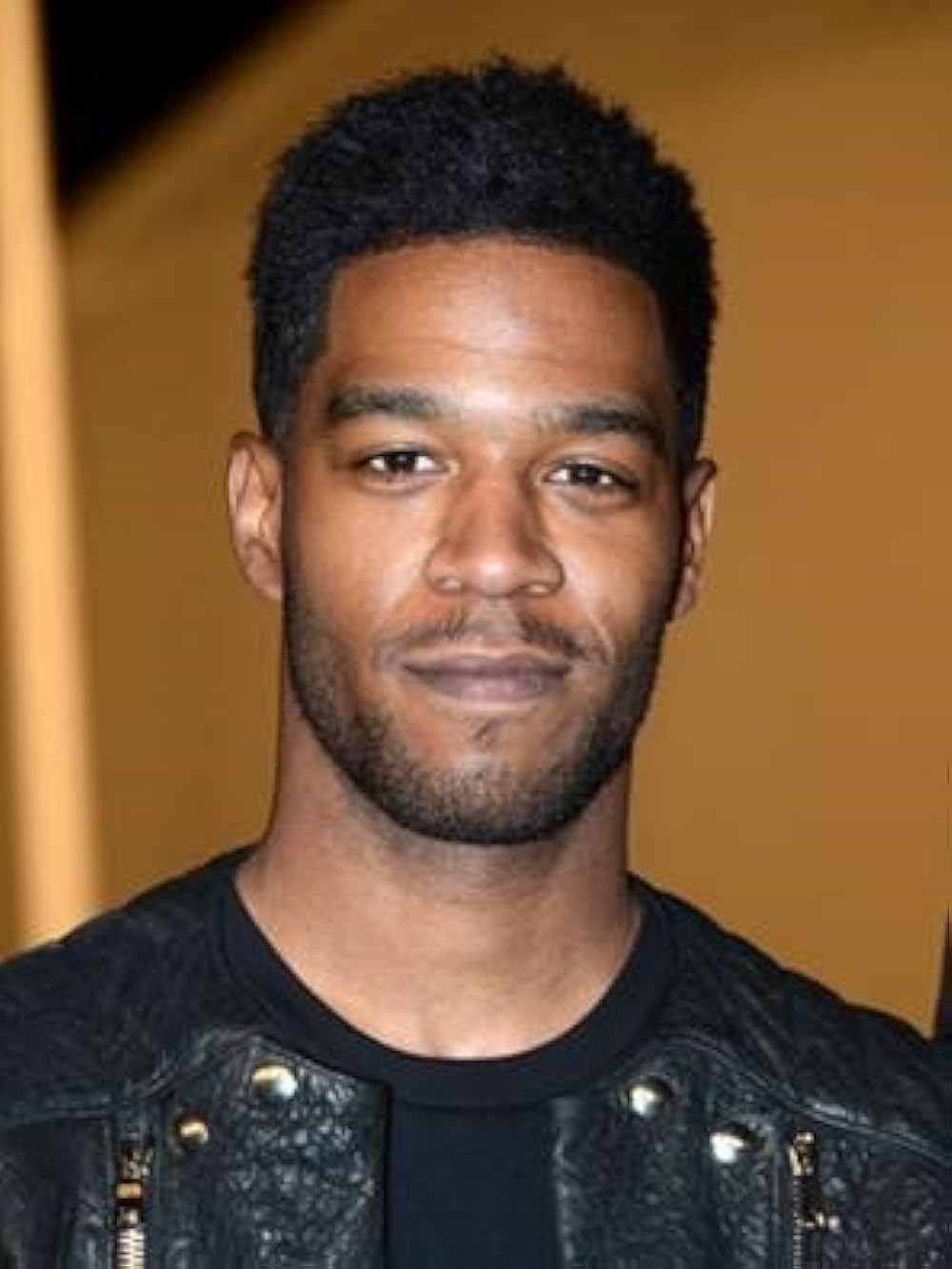
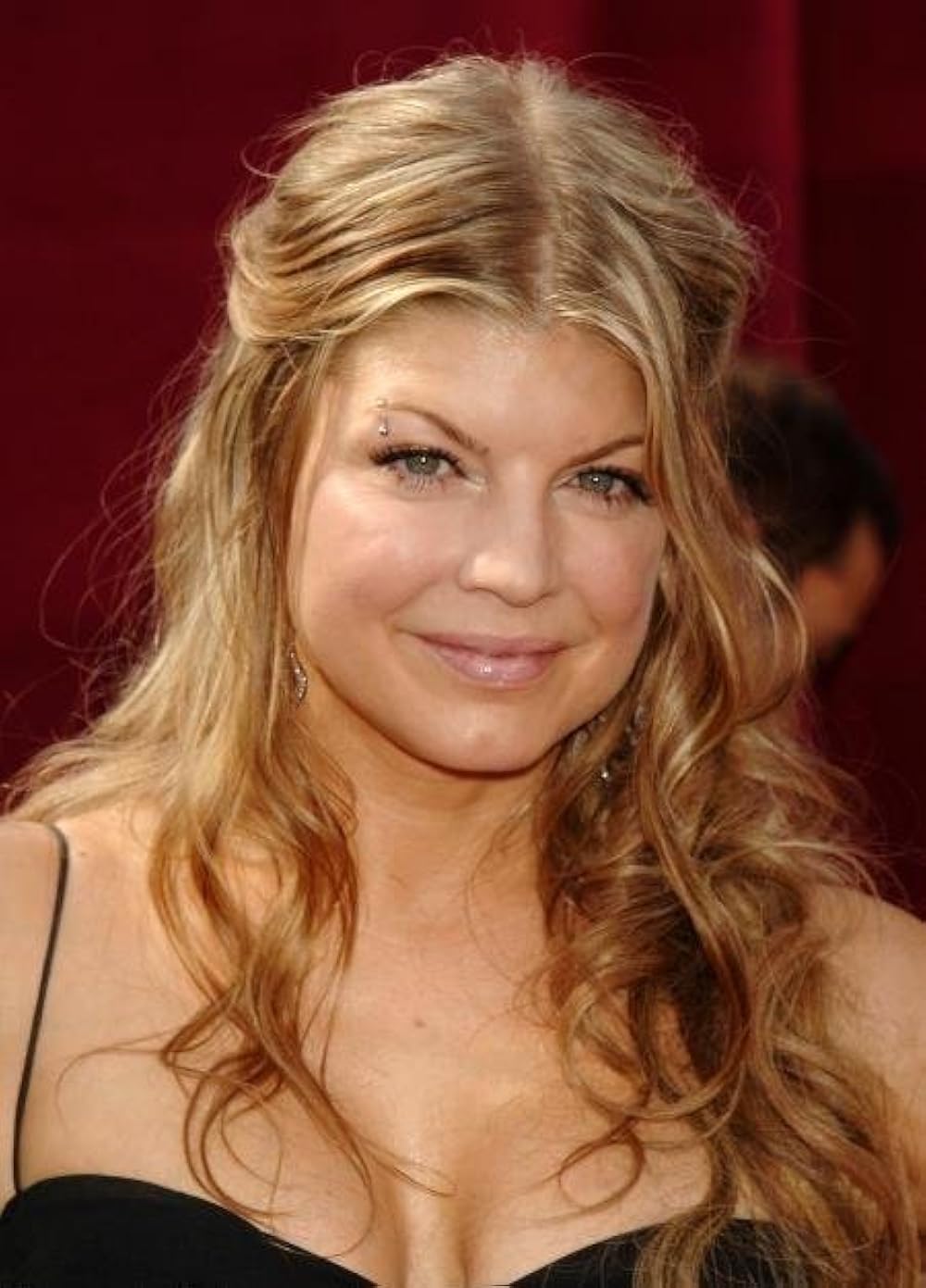
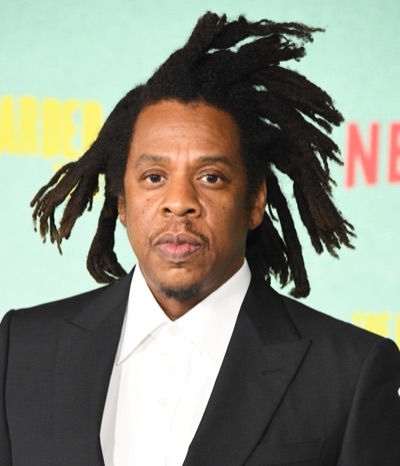
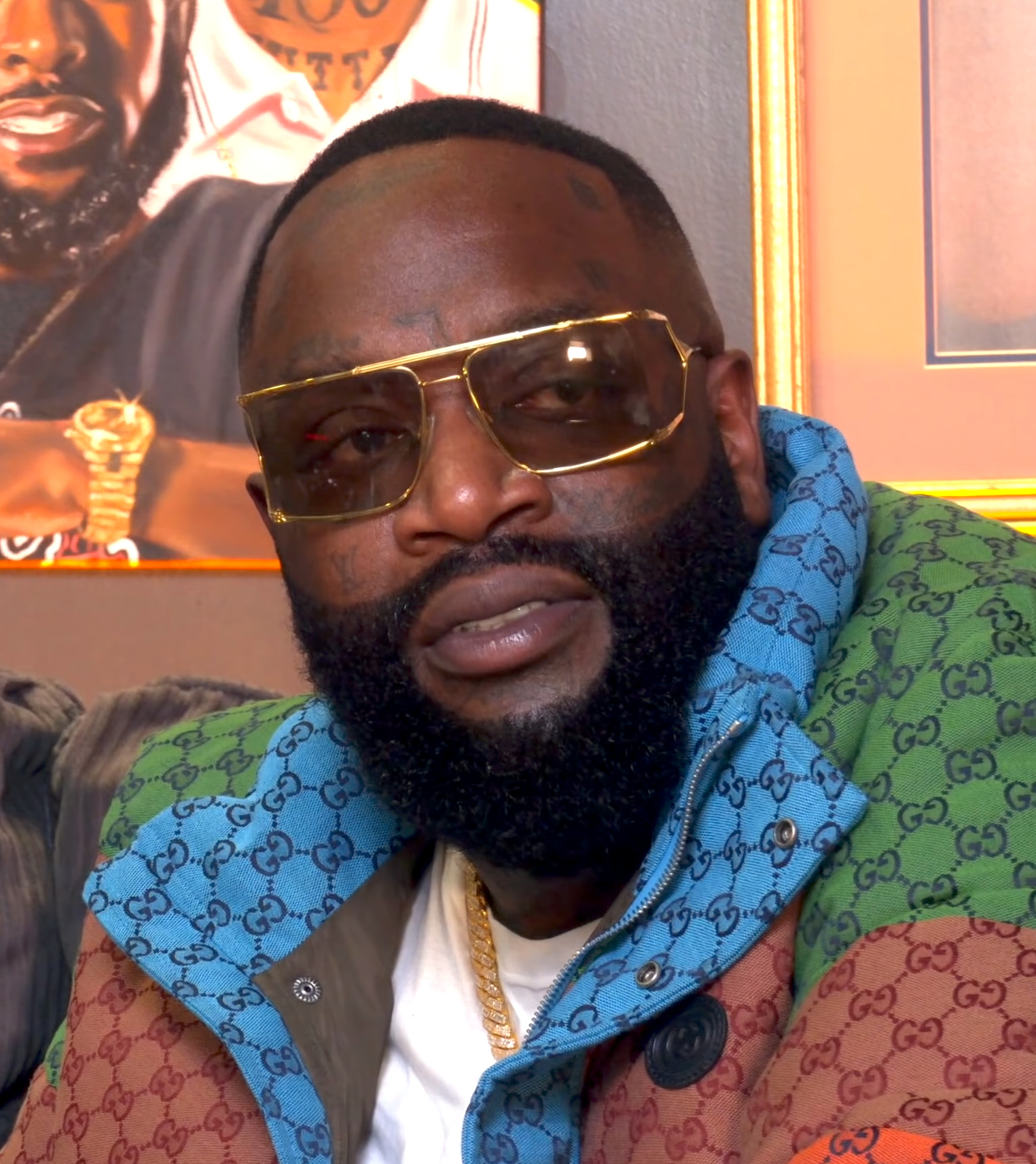
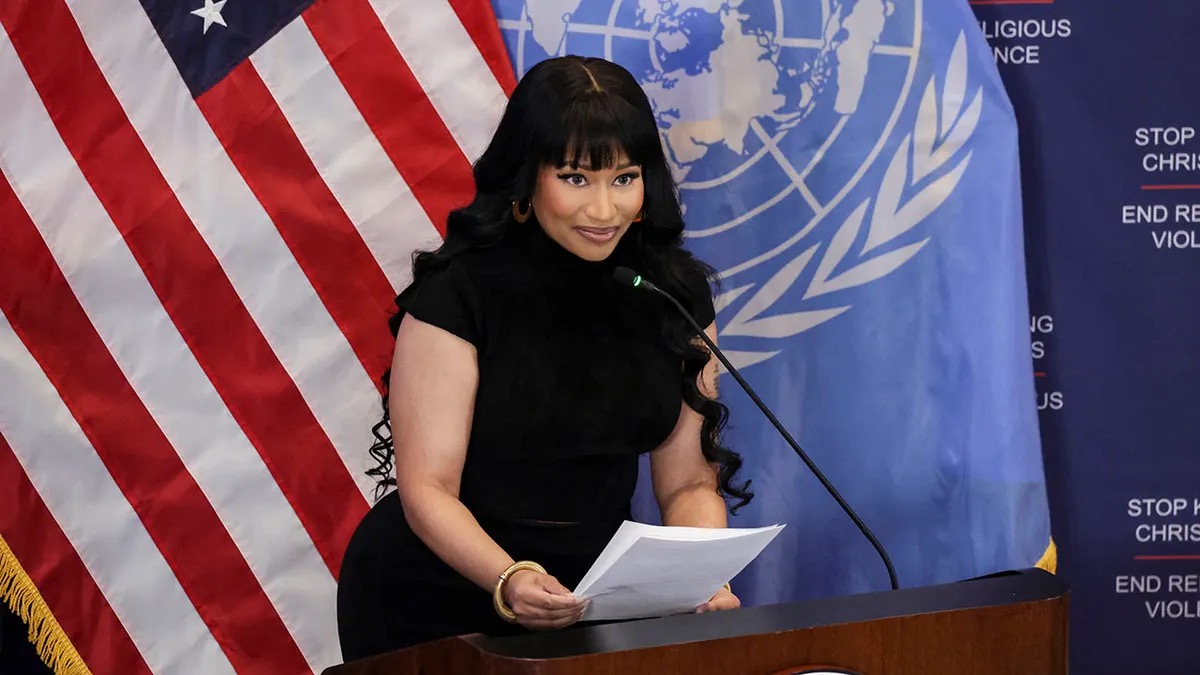
Following the Taylor Swift VMA incident in September 2009 — in which he interrupted her acceptance speech to advocate for Beyoncé — Kanye became briefly toxic in mainstream culture and retreated to a rented house in Hawaii, where he assembled a rotating cast of collaborators including Nicki Minaj, Jay-Z, Rick Ross, Pusha T, Kid Cudi, and RZA to record what became My Beautiful Dark Twisted Fantasy. The album was conceived explicitly as a comeback and as a reckoning: with fame, with excess, with his own ego, and with the culture that had built him up to knock him down. Recording sessions were notoriously communal and intense, lasting months and producing far more material than the album's thirteen tracks. The resulting work is the most formally ambitious hip-hop album of its era — structured almost like a suite of movements rather than a conventional tracklist.
Themes
The album holds ego and self-destruction in tension across its entire runtime — it simultaneously glorifies and interrogates Kanye's excess, constructing a myth of the tortured artist while questioning whether that myth is a trap. Power, beauty, fantasy, and their costs are the organizing preoccupations, inflected by race, celebrity, and the American imagination.
Production
MBDTF is maximalist in the most literal sense: every track is layered to the point of density, with samples, orchestration, live instruments, and vocal performances stacked upon one another in ways that reward repeated close listening. The album's sonic world is simultaneously bombastic and intricate, indebted to soul, prog, avant-garde composition, and hip-hop in equal measure.
Legacy
Pitchfork gave it a perfect 10.0 — a score awarded to only a handful of albums in the publication's history — and it has consistently appeared at or near the top of critical rankings of the greatest hip-hop albums ever made. Its influence on production aesthetics, structural ambition, and the expanded conception of what a rap album could be remains the benchmark against which subsequent Kanye records are measured.
Best For
For the listener who wants to understand what hip-hop can do at its most ambitious — or for anyone who needs an album that meets the full complexity of what it feels like to be a person.
Fun Fact
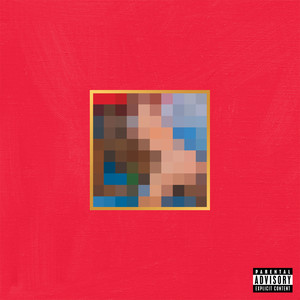
The album cover — depicting Kanye mounted on a white horse, painted by George Condo in a deliberately confrontational style that was initially banned by some retailers — was one of five different covers Condo created for the release, each reflecting a different aspect of the album's themes.
Tracklist — 13 songs
Featured Artists — 8
Sample Map — 8 sources
In High Places
Mike Oldfield · 1982 · New Age/Art Rock
Stop & Go
Hamilton Bohannon · 1975 · Funk/Soul
21st Century Schizoid Man
King Crimson · 1969 · Progressive Rock
Soul Power (Black Jungle)
RZA · 2000 · Hip-Hop
Will You Love Me Tomorrow
Smokey Robinson · 1972 · Soul/R&B
Try a Little Tenderness
Otis Redding · 1966 · Soul
Comment No. 1
Gil Scott-Heron · 1970 · Spoken Word/Soul
Chi Mai
Ennio Morricone · 1971 · Soundtrack/Classical
Era — Dark Maximalism (2010–2013)
The maximalist era produced Kanye's most critically celebrated and artistically extreme work. My Beautiful Dark Twisted Fantasy piled orchestras, soul samples, and an all-star cast onto a canvas of baroque self-examination, while Yeezus stripped production to industrial bone in collaboration with Daft Punk and Rick Rubin. Both albums engage obsessively with the paradoxes of Black celebrity in America — the hunger for power and the violence it courts — and together they represent the creative apex of his catalog.
Also in this era