Produced by
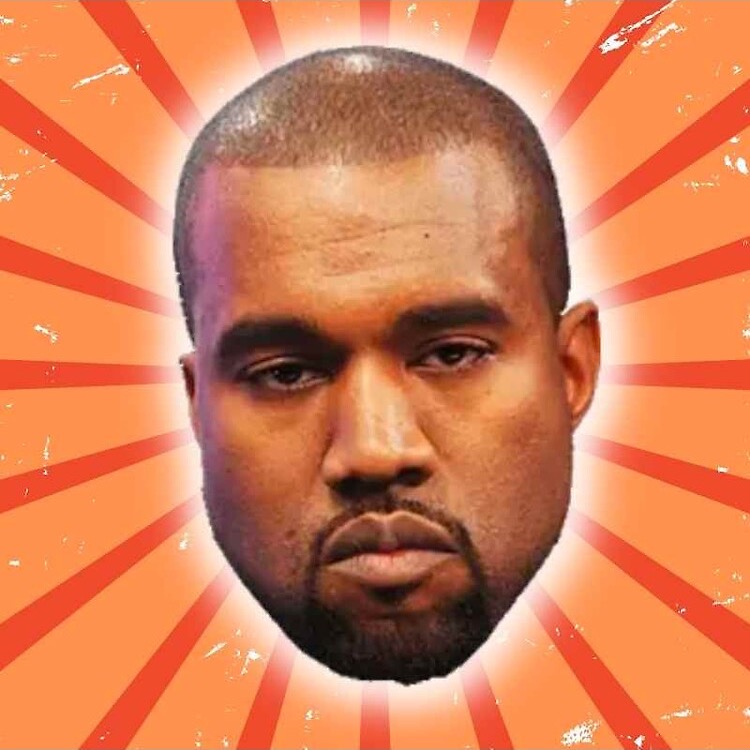
 Kanye West
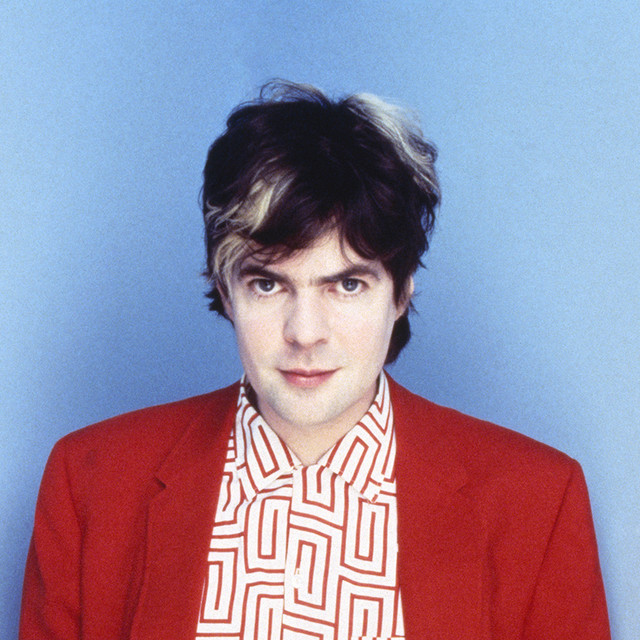 Jon Brion
Statistics
Fan FavoriteSpotify Streams
25M
BPM
88
Duration
4:45
Energy Level
6/10
Mood
Production Style
Themes
Rate This Track
Song Analysis
Background
A collaboration with The Game that arrived in the shadow of the crack epidemic's long aftermath, the track draws an explicit parallel between the crack trade of the 1980s and the music industry of the 2000s. Both are addictive, both flow from Black communities to mainstream consumption, both make enormous profits for people other than those who take the greatest risks. The Gil Scott-Heron sample grounds the track in a tradition of Black political commentary.
Meaning & Interpretation
The song's central argument is structural rather than moral: crack music means music that works on listeners the same way crack worked on users — compulsive, mood-altering, capable of ruining you while making you feel magnificent. But Kanye extends the metaphor to the industry itself, arguing that hip-hop has been distributed through the same extractive channels as the drug trade, generating wealth at the top while the communities of origin remain depleted. The political charge in the hook is not hyperbole but analysis.
Notable Moments
The Game's verse connects the metaphor to lived experience in Compton, giving the drug-music parallel personal and geographic specificity rather than abstract critique.
A line connecting Ronald Reagan's drug policies to the conditions that made crack inevitable in Black communities places the song's argument within a specific historical causation.
The musical comparison — what crack did to neighborhoods, what hip-hop has done to those same neighborhoods — is delivered not as condemnation but as structural observation.
Cultural Impact
One of hip-hop's sharpest political statements of 2005, the song anticipated the critical conversation about music industry extraction that would become mainstream discourse a decade later.
Personal Connection
Kanye grew up on Chicago's South Side during the height of the crack epidemic and has spoken about watching its devastation from close proximity. The song is a reckoning with what he observed as a child.
Did You Know
The Gil Scott-Heron sample was cleared partly because Scott-Heron, a pioneering voice in politically engaged Black music, reportedly approved of the track's argument when it was explained to him.
🔥Trending Takes
Takes
Samples
No samples on this track.
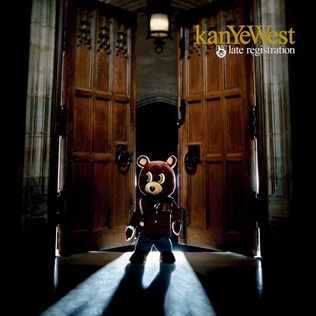
More from Late Registration
- 1Wake Up Mr. West
- 2Heard 'Em Say★
- 3Touch the Sky★
- 4Gold Digger★
- 5Drive Slow
- 6My Way Home
- 8Roses★
- 9Bring Me Down
- 10Addiction
- 11Diamonds from Sierra Leone★
- 12We Major
- 13Gone★
- 14Celebration
- 15Hey Mama★
- 16Gone (feat. Otis Redding)
- 17Late
- 18Back to Basics
- 19Gone (Alternate Version)
- 20Diamonds from Sierra Leone (Remix)
- 21Gone (Final)