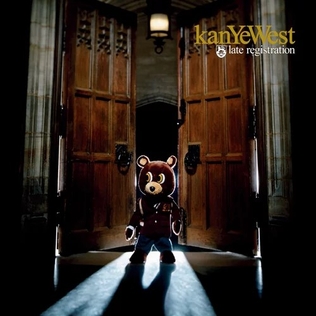
Collaborating with film composer Jon Brion, Late Registration expanded Kanye's sonic palette with lush orchestral arrangements and ambitious live instrumentation. The album debuted at #1 and won Grammy Album of the Year, cementing his commercial and critical dominance. Tracks like "Gold Digger" and "Diamonds from Sierra Leone" showcased his ability to blend social commentary with mainstream appeal.
Deep Dive
Background
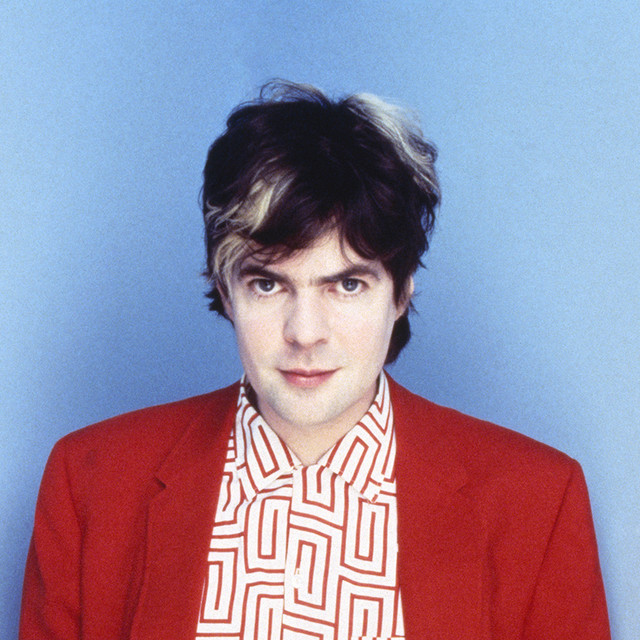
For his second album, Kanye enlisted Jon Brion — best known for his orchestral film scores and work with Fiona Apple and Aimee Mann — as a co-producer, an unlikely collaboration that pushed both artists in unexpected directions. Sessions took place largely in Los Angeles and were by accounts contentious, with Kanye's instinct for maximalism occasionally clashing with Brion's more classical training. The album arrived with enormous commercial pressure: he was already Grammy's Album of the Year winner before the album even dropped, given that TCD's campaign carried into the ceremony. The expanded sonic canvas allowed for some of his most emotionally direct writing, particularly on 'Roses,' about his grandmother's hospitalization, and 'Hey Mama,' his dedication to Donda.
Themes
Late Registration reaches beyond the personal into the political — 'Crack Music' and 'Diamonds from Sierra Leone' confront the systemic forces that shape Black life in America with an ambition the debut only gestured at. The album balances this social consciousness against songs about status, love, and the seductions of wealth, finding its tension in that gap.
Production
The Brion collaboration introduced live orchestration, chamber strings, and unconventional tonal colors that gave the album a cinematic sweep absent from the debut. Where The College Dropout looped and pitched, Late Registration builds and swells, deploying a full palette of brass, woodwinds, and acoustic instruments alongside the signature soul sample DNA.
Legacy
It won the Grammy for Album of the Year in 2006 and is considered alongside TCD as the foundation of Kanye's canonical first act. Its ambition to merge hip-hop with orchestral production influenced a generation of producers and established a precedent for rap albums as large-format artistic statements rather than collections of singles.
Best For
Ideal for listeners who want the full emotional range — humor, grief, politics, and triumph — in a single sitting.
Fun Fact
Jon Brion was quietly removed from several tracks late in the production process, and the exact division of his contributions versus Kanye's own final production work remains disputed among close observers of the sessions.
Tracklist — 21 songs
- 1★Wake Up Mr. West
- 2★Heard 'Em Say1 sample
- 3★Touch the Sky1 sample
- 4★Gold Digger1 sample
- 5★Drive Slow
- 6★My Way Home1 sample
- 7★Crack Music
- 8★Roses
- 9★Bring Me Down
- 10★Addiction
- 11★Diamonds from Sierra Leone1 sample
- 12★We Major
- 13★Gone1 sample
- 14★Celebration
- 15★Hey Mama1 sample
- 16★Gone (feat. Otis Redding)1 sample
- 17★Late
- 18★Back to Basics1 sample
- 19★Gone (Alternate Version)
- 20★Diamonds from Sierra Leone (Remix)1 sample
- 21★Gone (Final)1 sample
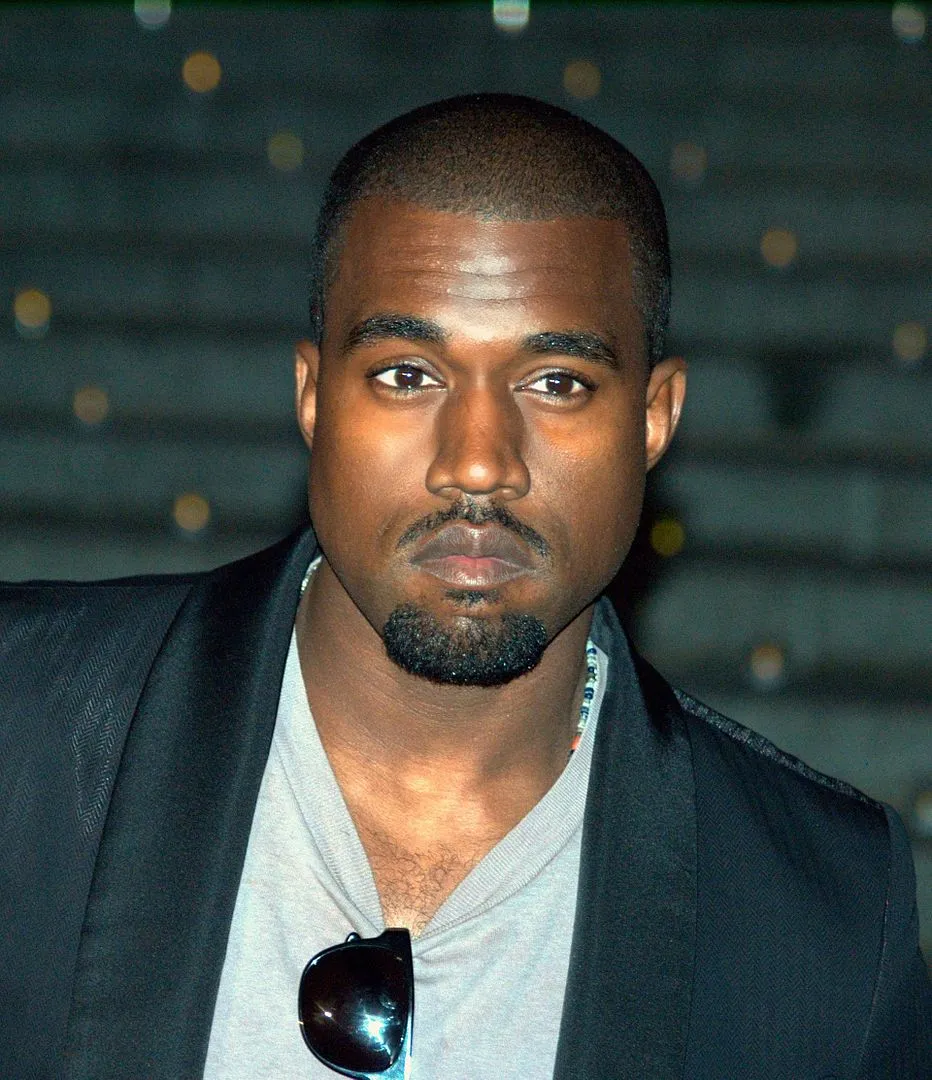

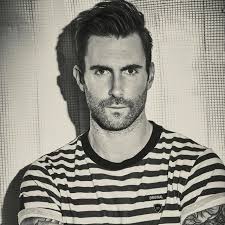
Featured Artists — 6

Sample Map — 8 sources
Mercy Mercy Me
Marvin Gaye · 1971 · Soul/R&B
Move On Up
Curtis Mayfield · 1970 · Soul/Funk
I Got a Woman
Ray Charles · 1954 · R&B
Home Is Where the Hatred Is
Gil Scott-Heron · 1971 · Soul/Spoken Word
Diamonds Are Forever
Shirley Bassey · 1971 · Pop/Jazz
Gone Away
Otis Redding · 1967 · Soul
I Got The...
Labi Siffre · 1975 · Soul/R&B
Wake Up Everybody
Harold Melvin & The Blue Notes · 1975 · Soul/Philly Soul
Era — Chipmunk Soul Era (2004–2005)
Defined by Kanye's signature technique of pitching up vintage soul and R&B vocal samples to create an instantly recognizable sound, the Chipmunk Soul era established him as both the foremost producer in hip-hop and an unlikely new voice for its social conscience. The two albums released in this period — both produced with orchestral collaborator Jon Brion on Late Registration — positioned Kanye as the thinking person's alternative to the dominant rap styles of the mid-2000s, blending gospel warmth with sharp class commentary.
Also in this era